
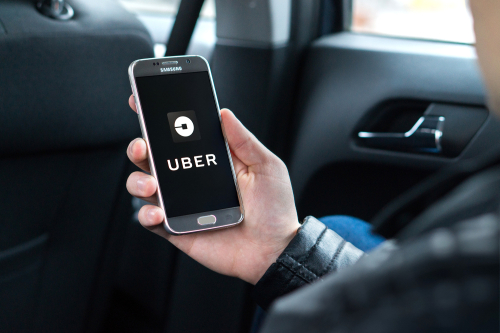
Uber Found Liable for Assault: What It Means for Victims
Rideshare services like Uber and Lyft have transformed how we travel, offering convenience at the tap of a button. We trust these companies to get us to our destinations safely. But what happens when that trust is violently broken? A recent federal jury verdict has sent a powerful message to the rideshare industry and offered a glimmer of hope to survivors of assault.
In a landmark case, a jury ordered Uber to pay $8.5 million to a woman who was raped by her driver during a trip in 2023. This verdict is significant not just for the dollar amount, but for what it represents: a crack in the legal armor that rideshare companies have used for years to shield themselves from responsibility for their drivers’ actions.
For too long, companies like Uber have argued that because their drivers are “independent contractors,” not employees, they are not liable for their criminal misconduct. This recent verdict challenges that defense and underscores the company’s responsibility to prioritize passenger safety over profits. If you or someone you know has been a victim of a rideshare assault, this case is a critical development in the fight for justice.
The Gig Worker Defense: A Wall Starting to Crumble
The central legal battle in cases against rideshare companies revolves around the classification of their drivers. Uber has consistently maintained that its drivers are independent gig workers. This isn’t just a matter of taxes and benefits; it’s a legal strategy designed to minimize liability.
Under traditional employment law, an employer can be held “vicariously liable” for the actions of its employees if those actions occur within the scope of their employment. By classifying drivers as contractors, Uber attempts to sever this legal link. Their argument is simple: “He wasn’t our employee, so we are not responsible for what he did.”
This defense has been a major hurdle for victims seeking justice. It allows the company to distance itself from horrific acts committed by individuals using its platform, leaving survivors to feel isolated and powerless.
The recent $8.5 million verdict strikes a blow against this defense. While the jury did not find the company itself to be “negligent,” the outcome shows that juries are willing to hold Uber financially accountable for the harm that happens on their watch. It signals a shift in perception, acknowledging that Uber is more than just a neutral tech platform; it is an active participant in the transportation service it sells.
Holding Rideshare Companies Accountable for Safety
The lawsuit that resulted in this verdict argued that Uber had long known about the risk of sexual assault by its drivers but failed to implement adequate safety measures to prevent it. This argument moves beyond the employee vs. contractor debate and focuses on a company’s fundamental duty to ensure its product or service is reasonably safe for consumers.
Victims and their attorneys argue that Uber’s failure is not just in its hiring practices, but in the design of its platform. For years, critics have called for stronger safety features, such as:
- Mandatory in-car cameras: A visible deterrent that could prevent many assaults from happening in the first place.
- More robust background checks: Going beyond standard checks to look for any history of concerning behavior.
- Better complaint-handling systems: Ensuring that any driver accused of misconduct is immediately suspended and investigated, not just moved to a different platform.
Uber has stated that incidents of sexual assault have decreased and points to safety features it has implemented, like an in-app emergency button and a database shared with Lyft to track ousted drivers. However, for thousands of survivors, these measures are too little, too late. The legal argument remains that if a company is aware of a persistent danger associated with its service, it has a moral and legal obligation to take every reasonable step to mitigate that danger.
What This Verdict Means for Survivors
If you have been assaulted or harmed during a rideshare trip, this verdict is a powerful reminder that you have rights and that justice is possible. Here are the key takeaways for survivors:
- Corporations Can Be Held Accountable: This case proves that a jury can see past the gig worker defense and hold a multi-billion dollar corporation responsible for a driver’s actions.
- Your Voice Matters: The plaintiff in this case, along with thousands of others who have come forward, is helping to change the legal landscape. Speaking out puts pressure on these companies to reform.
- Compensation is Possible: A successful lawsuit can provide financial compensation for medical bills, therapy, lost wages, and the immense pain and suffering caused by the trauma. This financial recovery can provide the stability needed to begin healing.
Seeking Justice After a Rideshare Assault
Taking legal action after a traumatic event is a daunting prospect, but it is a crucial step toward holding the responsible parties accountable. If you are a survivor of a rideshare assault, here is what you should do:
- Prioritize Your Safety and Health: First, get to a safe place. Seek immediate medical attention, even if you do not have visible injuries. A medical examination is crucial for your health and for preserving evidence.
- Report the Incident: File a report with the police as soon as you are able. This creates an official record of the crime. You should also report the incident to Uber through the app, but do not rely on their internal investigation alone.
- Preserve Evidence: Save any information you have about the trip, including receipts, screenshots of the driver’s profile, and any text or in-app communications.
- Speak to an Attorney: Contact a personal injury lawyer who has experience with sexual assault and corporate liability cases. Do not speak to Uber’s representatives or insurance adjusters without legal counsel. They are not on your side.
An experienced attorney will know how to navigate the complexities of suing a large corporation like Uber. They will handle the legal filings, gather evidence, and build a case designed to overcome the company’s legal defenses.
You Are Not Alone. We Are Here to Fight for You.
The $8.5 million verdict is a victory for one survivor, but it is also a beacon of hope for all victims of rideshare-related violence. It affirms that passenger safety must come before corporate profits and that companies can be forced to pay for the harm their services facilitate.
At Walch Law, we are dedicated to fighting for survivors of sexual assault and corporate negligence. We understand the courage it takes to come forward and are committed to providing compassionate, aggressive legal representation. If you or a loved one has been harmed during an Uber or Lyft ride, you do not have to face this fight alone.
Contact Walch Law today for a free, confidential consultation. We will listen to your story, explain your legal options, and help you take the first step toward getting the justice and compensation you deserve.
Call now: 1-844-999-5342


Comments
There are no comments for this post. Be the first and Add your Comment below.