
The Top 3 Most Common Los Angeles Sidewalk Injuries (And How to Protect Your Rights)
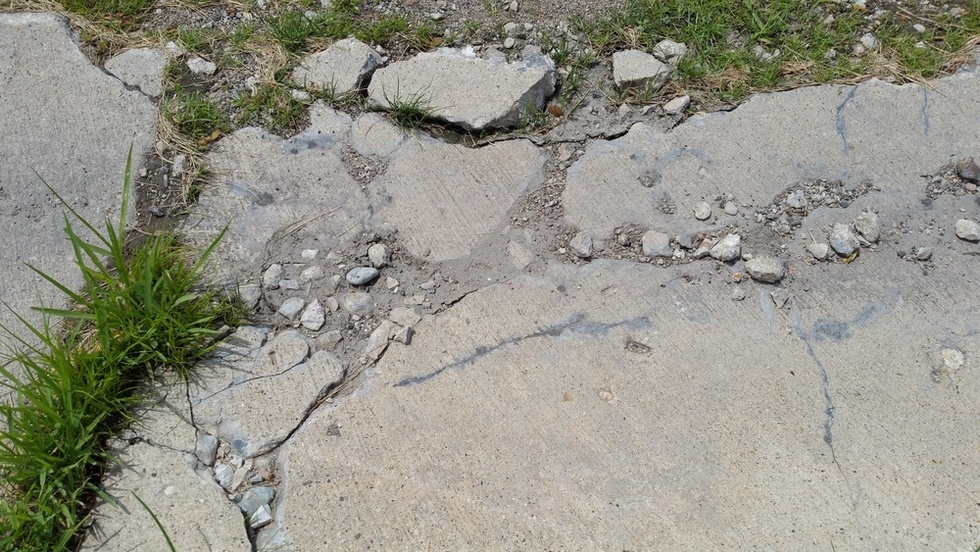
Los Angeles is a city of pedestrians, but its sidewalks are notoriously broken. Uneven concrete slabs, gaping cracks, and uplifted sections from tree roots create a minefield of trip-and-fall hazards. What might seem like a minor stumble can result in devastating, life-altering injuries. A simple walk can end with a trip to the emergency room, followed by months of painful recovery and overwhelming medical bills.
If you were seriously injured because of a dangerous sidewalk in Los Angeles, you have the right to seek compensation. However, suing a government entity for an unsafe public sidewalk is a complex process with a very short deadline. At Walch Law, we provide free, confidential consultations to help you understand your rights. Our family is here to fight for yours, and you will pay absolutely no fees unless we secure a financial recovery for you.
Who Is Responsible for a Dangerous Sidewalk in LA?
Proving liability for a sidewalk injury is not always straightforward. Generally, the claim is based on a “dangerous condition of public property.”
- Public Entity Liability: In many cases, the City of Los Angeles is the responsible entity. To win, you must prove the city had “notice” of the defect (meaning they knew or should have known about it) and failed to fix it. This is where the critical six-month Government Claims Act deadline comes into play. You must file a formal claim with the city within six months of your injury, or you will likely lose your right to ever seek compensation.
- Adjacent Property Owner Duty: While the city is often the target of the claim, Los Angeles municipal code also places a duty on the adjacent private property owner to maintain the sidewalk in a safe condition. An experienced attorney will investigate all potentially liable parties.
- Other Responsible Parties: A utility company that left an uncovered vault, or a construction contractor that created a temporary hazard, could also be held responsible.
The Top 3 Most Common Sidewalk Trip-and-Fall Injuries
When a person trips unexpectedly, their body reacts in predictable ways. This leads to common injury patterns that we see time and again in sidewalk fall cases.
1. Wrist and Arm Fractures
When you fall forward, your first instinct is to throw your hands out to break the fall. The force of your entire body weight landing on an outstretched hand is immense and often results in severe fractures.
- Common Injuries: The most frequent injury is a fracture of the distal radius or ulna (the two bones in your forearm just above the wrist). We also see scaphoid fractures, a break in a small but critical bone in the wrist that is often slow to heal.
- Treatment and Value: Minor fractures may only require casting and physical therapy. However, severe breaks often require surgery, known as an Open Reduction Internal Fixation (ORIF), where a metal plate and screws are installed to hold the bones in place. The need for surgery significantly increases the value of a case due to higher medical bills, longer recovery time, and the potential for permanent pain or limited motion.
2. Ankle and Leg Injuries
An uneven edge or hidden height difference between concrete slabs can cause your foot to roll or get caught, leading to devastating lower-body injuries.
- Common Injuries: Severe ankle sprains are common, but so are serious fractures. A bimalleolar or trimalleolar fracture means two or three of the malleoli bones in the ankle have broken, which almost always requires surgery to stabilize the joint. We also see tibia-fibula (lower leg) fractures from the intense twisting forces of a fall.
- Impact on Life: These injuries are catastrophic for mobility. Recovery can take many months and often requires a period of being completely non-weight-bearing, making it impossible to work, drive, or perform basic household tasks.
3. Head and Face Injuries
When you trip and are unable to break your fall with your hands, your head and face are the next to make impact. This is especially common when a foot catches on a raised concrete edge, causing a forward-pitching motion.
- Common Injuries: Any head impact can cause a concussion or a more severe Traumatic Brain Injury (TBI). Red-flag symptoms like loss of consciousness, confusion, severe headache, or vomiting require an immediate trip to the ER. Facial lacerations are also common, often leading to permanent scarring. The impact can also cause chipped or broken teeth and jaw fractures, requiring extensive dental work.
- The Need for Prompt Care: Head injuries must be taken seriously. A “minor” concussion can develop into post-concussion syndrome with long-term consequences. Documenting the injury with a medical professional immediately is vital for both your health and your legal claim.
What to Do Immediately After a Sidewalk Fall
The steps you take right after an injury can make or break your case.
- Seek Medical Attention: Call 911 if you are in severe pain. Otherwise, go to an ER or urgent care clinic right away.
- Document the Defect: If possible, take photos of the hazard that caused you to fall. Use a common object like a coin or a key for scale to show its size. Take photos from multiple angles and a wider shot showing the exact location.
- Note the Location: Drop a pin on your phone’s map app. Note the nearest address or cross-street.
- Get Witness Information: If anyone saw you fall, get their name and phone number.
- Preserve Your Shoes: Do not wear the shoes you were wearing during the fall again. Put them in a safe place as they are important evidence.
- File a Report: You can report the hazard to the city using its 311 system. This creates a public record of the dangerous condition.
Common Defenses and How We Fight Back
The city’s attorneys will use several common defenses to try and avoid paying your claim.
- “Trivial Defect”: They will argue the defect was so small that it wasn’t a real danger. We counter this with precise measurements, photos, and expert testimony.
- “Lack of Notice”: They will claim they didn’t know about the hazard. We fight this by uncovering prior complaints, city work orders, and street inspection logs.
- “Comparative Fault”: They will blame you, claiming you were distracted or wearing improper footwear. We use evidence about the environment, lighting, and human factors to show the defect was the true cause.
How Walch Law Helps Los Angeles Pedestrians
You should not have to take on the City of Los Angeles by yourself while trying to heal. Our family is here to handle every aspect of your case so you can focus on your recovery. We will:
- Act Immediately to file your Government Tort Claim before the six-month deadline expires.
- Conduct a thorough site inspection with precise measurements and photographs.
- Identify and prove notice by obtaining city records, prior complaints, and witness statements.
- Engage our network of top experts, including biomechanics and human factors specialists, to prove your case.
- Aggressively negotiate your medical liens to maximize the money that goes into your pocket.
- Provide you with clear, compassionate updates every step of the way.
If you were injured by a dangerous sidewalk in Los Angeles, do not let a deadline take away your rights. Contact Walch Law today for a free consultation to learn how we can help you get the justice and compensation you deserve. 1-844-999-5342


Comments
There are no comments for this post. Be the first and Add your Comment below.