
How Much Is a Los Angeles Sidewalk Injury Claim Worth?
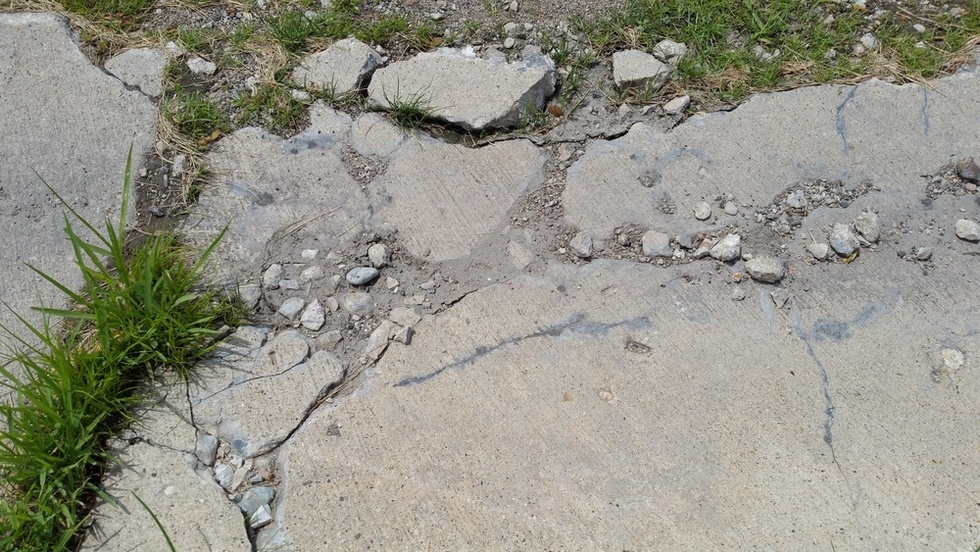
A simple walk can turn into a life-altering event when you encounter a broken, uneven, or poorly maintained sidewalk. In Los Angeles, cracked pavement, uplifted tree roots, and hidden hazards are all too common. If you’ve suffered an injury from a fall, you are likely facing pain, medical bills, and uncertainty. A primary question on your mind is probably: “How much is my sidewalk injury claim worth?”
The answer is complex because no two falls are the same. The value of your claim depends on a unique combination of legal rules and personal circumstances. At Walch Law, we help injured pedestrians navigate this process. We know how to win Los Angeles sidewalk injury lawsuits for the most money possible and are ready to help you today. CALL NOW, time is of the essence when suing the city.
Key Factors That Drive the Value of Your Sidewalk Injury Claim
The final settlement or verdict for a sidewalk injury is not arbitrary. It is calculated based on several critical elements. An experienced personal injury attorney will build your case by evaluating each of these factors.
Proving Liability and Notice
First, you must prove that someone was negligent. This could be a government entity (like the City of Los Angeles) or a private property owner. You must show they knew or should have known about the dangerous condition but failed to fix it, block it off, or warn people about it. This is called “notice.”
Severity and Permanency of Your Injuries
The most significant factor is the nature of your injuries. A sprained ankle that heals in a few weeks will have a much lower value than a hip fracture requiring surgery and causing permanent mobility issues. The more severe and long-lasting the injury, the higher the potential value of your claim.
Medical Treatment and Costs
The extent and cost of your medical care are central to your claim’s value. This includes everything from the initial emergency room visit to ongoing physical therapy. We will gather all your bills for:
- Ambulance and ER services
- Hospital stays and surgeries
- Diagnostic imaging (X-rays, MRIs, CT scans)
- Specialist appointments (orthopedists, neurologists)
- Physical and occupational therapy
- Medications and medical devices
Lost Wages and Loss of Earning Capacity
If your injury forced you to miss work, you can recover those lost wages. If the injury is permanent and prevents you from returning to your job or limits your ability to earn a living in the future, you may have a claim for “loss of earning capacity.” This can dramatically increase the value of a case, especially for catastrophic injuries.
Pain and Suffering
This category covers the non-economic impact of your injury. It is compensation for the physical pain, emotional distress, anxiety, inconvenience, and loss of enjoyment of life you have experienced. While harder to quantify than a medical bill, it is a crucial component of your total compensation.
Comparative Negligence
California follows a “comparative negligence” rule. This means your compensation can be reduced by your percentage of fault. For example, if the court finds you were 20% at fault for the fall (perhaps because you were looking at your phone), your total award would be reduced by 20%.
Important California Rules for Sidewalk Injury Claims
Navigating a sidewalk injury claim in California requires understanding specific laws and deadlines that can make or break your case.
- Government Claim Deadlines: If you are suing a public entity like the City of Los Angeles, you have only six months from the date of the injury to file a formal government claim. Missing this deadline will almost certainly bar you from recovering any compensation.
- Dangerous Condition of Public Property: To hold a government entity liable, you must prove the sidewalk constituted a “dangerous condition” that created a foreseeable risk of the kind of injury that occurred.
- Duty of Private Property Owners: In some California cities, the law places the responsibility for maintaining the public sidewalk on the adjacent private property owner (commercial or residential). This can shift liability from the city to a private owner’s insurance policy.
- Statute of Limitations: After properly filing a government claim, you have a limited time to file a lawsuit. For private property owners, the general statute of limitations for personal injury is two years from the date of the incident.
What Could My Los Angeles Sidewalk Injury Case Be Worth?
Every case is different, and these are only estimates for illustration. The final value depends on the factors discussed above.
- Minor Sprain with Quick Recovery: A twisted ankle or wrist with a few doctor visits and a full recovery in several weeks. Medical bills might be $2,000-$5,000. Potential settlement range: $7,500 – $15,000.
- Wrist Fracture Requiring Surgery: A fall results in a broken wrist that needs surgery (ORIF – open reduction and internal fixation) with plates and screws. This involves significant medical bills, physical therapy, and time off work. Potential settlement range: $60,000 – $125,000+.
- Rotator Cuff Tear with Surgery: A common injury from trying to break a fall. If surgery is required, followed by extensive and painful physical therapy, the claim’s value increases significantly due to high medical costs and pain and suffering. Potential settlement range: $85,000 – $200,000+.
- Elderly Hip Fracture: A hip fracture is a catastrophic injury for an older adult, often leading to permanent disability, loss of independence, and a long, painful recovery. Medical costs are extremely high. Potential settlement range: $250,000 – $750,000+.
- Traumatic Brain Injury (TBI): Striking your head in a fall can cause a TBI with lasting cognitive deficits, memory problems, and personality changes. These cases require extensive expert analysis and can be very high value. Potential settlement range: $300,000 – $1,000,000+.
Evidence That Strengthens Your Claim’s Value
The more evidence you have, the stronger your case will be. An attorney can help you gather and preserve:
- Photographs and Videos: Clear photos of the hazard from multiple angles and distances.
- Incident Reports: Any report filed with the property owner or city.
- Witness Information: Names and contact details of anyone who saw the fall.
- Prior Complaints: Records of previous complaints about the same hazard (e.g., city 311 records).
- Complete Medical Records: Documentation from every provider, linking your injuries to the fall.
- Expert Reports: Analysis from vocational experts on lost earning capacity or a life care planner for catastrophic injuries.
Steps to Take After a Sidewalk Fall
What you do immediately after a fall can protect your health and your legal rights.
- Seek Medical Attention: Your health is the priority. Go to the emergency room or an urgent care center to get your injuries diagnosed and documented.
- Report the Incident: Notify the property owner or the city about the fall and the hazard.
- Document the Scene: If you can, take pictures of the broken sidewalk and your injuries.
- Get Witness Information: Ask anyone who saw what happened for their name and phone number.
- Preserve Your Shoes and Clothing: Do not throw away the shoes you were wearing. They are important evidence.
- Contact the best Los Angeles sidewalk injury Attorney Immediately: Do not give a recorded statement to an insurance adjuster. Speak with an experienced Los Angeles sidewalk injury lawyer first.
Contact Walch Law for a Free Consultation
If you or a loved one has been injured in a sidewalk fall, you don’t have to face the legal and financial aftermath alone. At Walch Law, we have decades of experience holding negligent property owners and government entities accountable. We can help you understand the true value of your claim and fight to get you the maximum compensation you deserve.
Contact us today for a free, no-obligation consultation to discuss your case. 1-844-999-5342


Comments
There are no comments for this post. Be the first and Add your Comment below.