
El Niño Car Accidents in Santa Monica: Risks, Rights, and Deadlines
If you were hurt in a rain-related crash in Santa Monica, the clock is already running on your claim — and it may be shorter than you think.
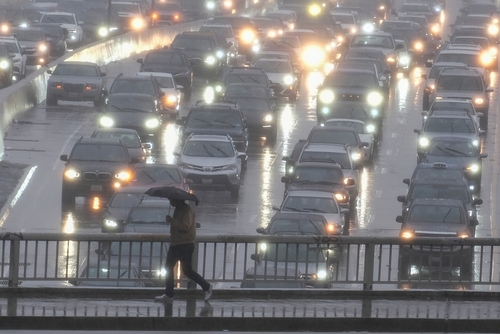
Federal forecasters expect a strong-to-very strong El Niño through early 2027, bringing a higher chance of heavy rain, repeated storms, and dangerous road conditions across Southern California. For drivers on Lincoln Boulevard, Ocean Avenue, Wilshire Boulevard, Pico Boulevard, and the PCH/I-10 corridor, that means a real and rising risk of serious accidents this winter.
Here’s what insurance companies don’t want you to know: rain doesn’t erase fault. If a careless driver, the City of Santa Monica, or Caltrans contributed to your crash, you may have the right to full compensation — but only if you act in time. Claims against government agencies must be filed within six months of your injury. Most other personal injury lawsuits in California have a two-year deadline.
Don’t wait to find out which deadline applies to you.
Santa Monica drivers rarely deal with real weather. Most of the year, the biggest worries are beach traffic and finding parking. That could change fast this winter.
Federal forecasters say El Niño continues to strengthen, with a strong-to-very strong event likely through January to March 2027. Strong El Niño winters often bring more storms and heavier rain to Southern California. When that rain hits Santa Monica’s busy streets, crowded intersections, and coastal highways, El Niño car accidents become a real threat.
This guide will help you understand the risks and protect your rights if you’re hurt. You’ll learn:
- How El Niño storms make Santa Monica roads more dangerous, and which roads carry the most risk
- Who can be held liable for a rain-related crash under California law
- What to do after a wet-weather accident and which deadlines you can’t afford to miss
How El Niño Weather Increases Car Accident Risk in Santa Monica
El Niño is a climate pattern marked by warmer-than-normal water in the tropical Pacific Ocean. It shifts the jet stream and often steers more storms toward Southern California. No forecast is a guarantee, but a strong El Niño raises the odds of a wet, stormy winter.
Many Angelenos still remember the 1997–98 El Niño, which brought flooding, mudslides, and damaged roads across the region. Santa Monica sits right on the coast, so it feels both the rain and the ocean’s force. Here’s how those conditions lead to crashes.
Heavy Rain and Atmospheric Rivers
Atmospheric rivers are long, narrow bands of moisture that can dump huge amounts of rain in a short time. When one stalls over Los Angeles, rain can fall faster than streets can drain it. Intersections fill with water, lane lines disappear, and drivers lose sight of the road edge.
Heavy rain also makes stopping harder. Wet pavement increases braking distance, so a driver who follows too closely on Wilshire Boulevard may slam into the car ahead before they can stop.
The First Rain Problem
After months of dry weather, oil, grease, and rubber build up on the pavement. The first storms of the season lift that residue to the surface. Roads become unusually slick, especially during the first hour of rain.
Southern California drivers often aren’t used to these conditions. Many keep the same speed and following distance they use on a dry day. That gap between road conditions and driver behavior is where many rain-related crashes start.
Hydroplaning
Hydroplaning happens when a layer of water builds up between your tires and the road. Your tires lose grip, and steering and braking stop working the way you expect. It can happen even at moderate speeds, especially with worn tires or standing water.
Hydroplaning is a common cause of:
- Spinouts and single-vehicle crashes into poles, walls, or parked cars
- Sideswipe collisions when a car drifts into the next lane
- Rear-end crashes when a driver can’t stop in time
- Multi-car pileups on the I-10 and PCH
Flooding and Clogged Storm Drains
Storm drains clogged with leaves, trash, and sediment can’t carry water away fast enough. Water pools in low spots, under bridges, and near freeway ramps. Puddles can hide potholes that suddenly blow a tire or bend a rim.
Flooded streets also stall vehicles in travel lanes. Other drivers then swerve or brake hard to avoid them, which can lead to secondary crashes.
Coastal Storms and High Surf
El Niño winters can bring powerful storms off the Pacific. High surf and storm surge can push water, sand, and debris onto roads near the beach. PCH, the beach parking lots, and the streets near the Santa Monica Pier are the most exposed.
Strong coastal winds add another hazard. Santa Monica’s famous palm trees shed heavy fronds in storms, and large street trees can drop limbs onto cars and travel lanes.
Debris Flows, Mudslides, and Bluff Failures
The bluffs along Ocean Avenue and the Pacific Palisades have a long history of slides onto PCH. Saturated soil can send dirt, rocks, and mud onto the highway with little warning. The January 2025 Palisades Fire also left burn scars on the hillsides north of Santa Monica. Burned slopes can produce dangerous debris flows during storms for several years.
When PCH closes north of the city, traffic backs up through the McClure Tunnel and onto surface streets. Frustrated drivers then take risks to make up lost time.
Reduced Visibility
Rain, fog, glare from wet pavement, and early winter darkness make it harder to see. By December, the sun sets before 5 p.m. Pedestrians in dark clothing, cyclists, and e-scooter riders become much harder to spot.
California law requires headlights whenever conditions prevent drivers from seeing clearly, including when windshield wipers are running continuously. Drivers who skip their headlights in the rain make themselves harder to see and may share fault for a crash.
Santa Monica Roads at Highest Risk During El Niño Storms
Any street can become dangerous in a storm. Some Santa Monica roads, however, combine heavy traffic, ocean exposure, or low spots that make them especially risky.
Lincoln Boulevard
Lincoln Boulevard is one of the busiest north-south routes in Santa Monica. It carries heavy commuter traffic, buses, and delivery vehicles between the I-10 and Venice. Frequent stops, turning cars, and crowded crosswalks leave little room for error on wet pavement.
Rear-end collisions and left-turn crashes are common here. In heavy rain, drivers who misjudge stopping distance can trigger chain-reaction crashes at intersections like Lincoln and Pico or Lincoln and Ocean Park Boulevard.
Ocean Avenue
Ocean Avenue runs along the bluffs above the beach, lined with palm trees, hotels, and crowds of tourists. Pedestrians cross constantly near Palisades Park and the pier. In rain, wet crosswalks, falling palm fronds, and distracted visitors create real danger.
The California Incline connects Ocean Avenue to PCH. Its steep grade and sharp turn can catch drivers off guard when the pavement is wet.
Wilshire Boulevard
Wilshire is a major east-west corridor packed with shops, offices, and restaurants. Heavy traffic, frequent lane changes, and drivers looking for parking make it crash-prone on a dry day. Rain adds slick pavement, foggy windows, and pedestrians rushing across the street with umbrellas.
Pico Boulevard
Pico Boulevard links neighborhoods, Santa Monica College, and the beach. It carries a mix of commuters, students, buses, and cyclists. Water can collect at low points along Pico near the coast, and busy intersections see frequent turning crashes.
The PCH and I-10 Corridor
The Santa Monica Freeway (I-10) ends at the McClure Tunnel and feeds directly onto Pacific Coast Highway. This stretch is one of the most storm-exposed routes in the region. Drivers face ocean spray, wind, standing water, merging traffic, and the risk of slides from the bluffs above.
On the I-10, speed is the biggest danger. Drivers who don’t slow down for wet conditions can hydroplane or cause multi-car crashes near the Lincoln and 4th Street exits.
Who Is Liable for a Rain-Related Car Accident in California?
Bad weather can make crashes more likely, but it rarely excuses them. California law expects drivers, cities, and state agencies to act reasonably when conditions change.
At-Fault Drivers
California’s basic speed law requires drivers to go no faster than is safe for current conditions. That means a driver can be careless even while staying under the posted speed limit. On a rain-soaked road, “safe” may mean well below the limit.
Drivers may be liable for a wet-weather crash if they:
- Drove too fast for the rain or flooding
- Followed too closely to brake safely on wet pavement
- Drove with bald tires or broken wipers
- Failed to use headlights in poor visibility
- Drove through flooded intersections or around closure signs
- Were distracted, drunk, or drowsy
Example: A driver heading west on Wilshire during a downpour keeps pace with dry-weather traffic. Traffic slows suddenly near 14th Street, and the driver slides into the car ahead. Saying “the road was wet” won’t protect that driver from liability. They had a duty to adjust their speed and following distance.
California’s minimum auto liability coverage is $30,000 per person and $60,000 per accident for bodily injury. Serious injuries often exceed those limits. Your own uninsured or underinsured motorist coverage may help fill the gap.
Commercial Drivers and Employers
Santa Monica streets carry delivery vans, rideshare vehicles, and commercial trucks every day. When a driver causes a crash while working, the employer may also be liable. Rideshare companies like Uber and Lyft carry higher insurance coverage when a driver is on an active trip.
The City of Santa Monica
The City of Santa Monica maintains most streets, sidewalks, traffic signals, and storm drains within city limits. Under California Government Code Section 835, a public agency may be liable for a dangerous condition of public property. Examples include:
- Clogged or poorly maintained storm drains that cause flooding
- Potholes left unrepaired after earlier storms
- Broken or malfunctioning traffic signals
- Missing warning signs or faded lane markings
- Fallen trees or limbs the city knew were unstable
You generally need to show the condition was dangerous, it caused your injury, and the city either created it or knew about it in time to fix it or warn drivers. Prior complaints, repair records, and photos can help prove that notice.
The city also operates the Big Blue Bus. If a city bus caused your crash, your claim is against a public agency, and the six-month deadline applies.
Caltrans and PCH
Caltrans maintains California’s state highways and freeways, including Pacific Coast Highway and the I-10. If a freeway defect, poor drainage, or a failure to clear slide debris contributed to your crash, Caltrans may share responsibility.
Responsibility can change from one block to the next. A freeway ramp may belong to Caltrans, while the intersection at the bottom belongs to the city. Identifying the right agency early is critical.
Other Responsible Parties
Depending on the facts, others may share fault, including:
- Construction contractors who leave unsafe trench plates or poorly marked work zones
- Utility companies that fail to restore pavement after digging
- Private property owners whose trees or drainage spill onto the road
- Vehicle and tire manufacturers if a defective part failed in wet conditions
- Other public transit agencies, such as LA Metro, which runs the E Line light rail through Santa Monica
How Weather Immunity Works
Government agencies often argue they can’t be blamed for the weather. California law does generally protect public agencies from liability for the effect of weather conditions alone. That protection has limits.
When weather combines with a separate dangerous condition, such as a clogged drain or a known pothole, the agency may still be liable. An experienced attorney knows how to investigate and push back on this defense.
What If You Were Partly at Fault?
California follows a pure comparative fault rule. You can recover damages even if you share some blame for the crash. Your award is simply reduced by your percentage of fault.
For example, if your damages total $100,000 and a jury finds you 20% at fault, you could still recover $80,000.
Critical Deadlines for Santa Monica Car Accident Claims
The 6-Month Government Claim Deadline
Before you can sue the City of Santa Monica, Caltrans, LA Metro, or another public agency, you must file a formal written claim with that agency. For personal injury and property damage, you generally must file within six months of the date of your injury.
If the agency rejects your claim in writing, you usually have six months from that notice to file a lawsuit. If you miss the original deadline, you may be able to request permission to file a late claim within one year. Approval isn’t guaranteed, so filing on time is far safer.
The 2-Year Personal Injury Statute of Limitations
For claims against private parties, such as another driver or a delivery company, California generally allows two years from the date of injury to file a personal injury lawsuit. Wrongful death claims generally have a two-year deadline from the date of death.
Many El Niño crashes involve both a negligent driver and a road defect. When a public agency may share fault, the shorter six-month deadline controls how fast you need to act.
Common Injuries in Wet-Weather Car Accidents
Rain-related crashes often involve spinouts, high-speed freeway collisions, and multi-car pileups. These can cause serious harm, including:
- Whiplash and other neck injuries
- Back injuries, including herniated discs
- Concussions and traumatic brain injuries
- Broken bones in the arms, legs, ribs, and hips
- Spinal cord injuries
- Internal bleeding and organ damage
- Cuts, scarring, and burns
- Anxiety, depression, and post-traumatic stress
Pedestrians, cyclists, motorcyclists, and e-scooter riders face even greater risk. A driver who can’t stop on wet pavement may strike someone crossing Ocean Avenue or riding in a bike lane on Main Street.
Some injuries don’t show symptoms right away. A concussion or internal injury may feel minor at first and worsen over hours or days.
What to Do After a Wet-Weather Crash in Santa Monica
Rain washes away evidence fast. Skid marks fade, floodwater drains, and road crews clear debris. These steps help protect your health and your claim.
- Get to safety. If you can move your car, pull out of traffic and away from flooded areas. Turn on your hazard lights.
- Call 911. Report injuries and request police. Depending on the location, the Santa Monica Police Department or California Highway Patrol may respond.
- Get medical care right away. Go to the emergency room or urgent care even if you feel fine. Prompt treatment links your injuries to the crash.
- Photograph the scene. Capture the vehicles, standing water, debris, potholes, broken signals, and road signs. Take wide shots and close-ups.
- Document the weather. Note how hard it was raining, whether it was dark, and whether streetlights and signals were working. A short video can show conditions better than photos.
- Exchange information. Get the other driver’s name, contact details, license, plate number, and insurance information.
- Talk to witnesses. Get names and phone numbers. People leave storm scenes quickly.
- Look for cameras. Businesses, buses, and homes with doorbell cameras may have recorded the crash. Footage can be deleted within days.
- Report the crash to the DMV. California requires an SR-1 report within 10 days if anyone was injured or killed, or if property damage exceeded $1,000.
- Avoid recorded statements. Insurers may call within days. Talk with a lawyer before giving any statement.
- Contact a car accident attorney. Early help is especially important if a public agency may be involved.
Common Mistakes That Hurt Rain-Related Accident Claims
Even strong claims can lose value because of avoidable missteps. Watch out for these:
- Assuming the rain is to blame. Weather rarely causes a crash on its own. Someone usually failed to adjust, maintain, or warn.
- Waiting two years. If the city, Caltrans, or Metro shares fault, six months is the real deadline.
- Skipping the doctor. Gaps in treatment let insurers argue your injuries came from something else.
- Apologizing at the scene. Saying “I’m sorry” or “I didn’t see the water” can be used against you.
- Repairing your car too soon. Your vehicle may hold key evidence about speed and impact.
- Posting online. Insurers check social media for anything that downplays your injuries.
How to Stay Safer on Santa Monica Roads This Winter
You can’t control the weather or other drivers, but a few habits lower your risk:
- Slow down and double your following distance in rain
- Check your tire tread and replace worn wipers before storms arrive
- Turn on your headlights whenever your wipers are running
- Never drive through flooded streets or around closure barriers
- Watch for pedestrians, cyclists, and scooter riders near the beach and downtown
- Check PCH conditions before you leave, especially after heavy rain
How Walch Law Helps Santa Monica Car Accident Victims
El Niño crash cases can be complicated. They often involve disputed fault, weather defenses, and public agencies with their own legal teams. You need a firm that moves fast and knows how these cases work.
At Walch Law, we:
- Preserve evidence before storms, repairs, and cleanups erase it
- Identify every liable party, including drivers, employers, the City of Santa Monica, Caltrans, and contractors
- File government claims on time and meet every procedural rule
- Investigate notice through repair logs, complaints, and prior accident reports
- Work with accident reconstruction experts to show how the crash happened
- Handle insurers and agencies so you can focus on healing
We handle car accident cases on a contingency fee basis. You pay no attorney fees unless we recover compensation for you.
Hurt in an El Niño Car Accident? Talk to Walch Law Today
A strong El Niño could make this one of the most dangerous winters on Santa Monica roads in years. Rain makes driving harder, but it doesn’t erase responsibility. Careless drivers, negligent companies, and public agencies that ignore dangerous roads can all be held accountable.
If you were hurt in a crash on Lincoln, Ocean, Wilshire, Pico, PCH, or the I-10, the deadline on your claim has already started. If a public agency may share fault, you may have only six months to act.
Contact Walch Law today for a free, confidential consultation. We’ll review what happened, explain your options, and start protecting your claim right away.
Frequently Asked Questions
Is the other driver still at fault if it was raining?
Often, yes. California law requires drivers to go no faster than is safe for conditions. A driver who speeds, tailgates, or drives with bald tires in the rain can be held liable for a crash.
Can I sue the City of Santa Monica for a flooded street accident?
Possibly. If the city knew or should have known about a dangerous condition, such as a clogged storm drain or unrepaired pothole, and failed to fix it or warn drivers, it may be liable. You generally must file a government claim within six months of your injury.
Who is responsible for accidents on PCH in Santa Monica?
Caltrans maintains Pacific Coast Highway and the I-10. If a road defect, poor drainage, or uncleared slide debris contributed to your crash, Caltrans may share fault. Other drivers or contractors may also be responsible.
What is the deadline for filing a car accident claim in California?
You generally have two years from the date of injury to file a personal injury lawsuit against a private party. Claims against a government agency usually must be filed within six months.
Can the government avoid liability because of the weather?
Agencies are generally protected from liability for weather alone. However, that protection usually doesn’t apply when weather combines with a separate dangerous condition, such as a known pothole or blocked drain.
What if I hydroplaned and hit another car?
Hydroplaning doesn’t automatically put all the blame on you. Road defects, poor drainage, or another driver’s actions may have contributed. California’s pure comparative fault rule may also allow you to recover damages even if you share some fault.
What if a Big Blue Bus or Metro train hit me?
Both are run by public agencies. Your claim must follow government claim rules, including the six-month filing deadline. Contact a lawyer quickly.
How much does it cost to hire Walch Law?
Nothing up front. Walch Law handles car accident cases on a contingency fee basis, so you pay no attorney fees unless we recover compensation for you. CALL NOW


Comments
There are no comments for this post. Be the first and Add your Comment below.