
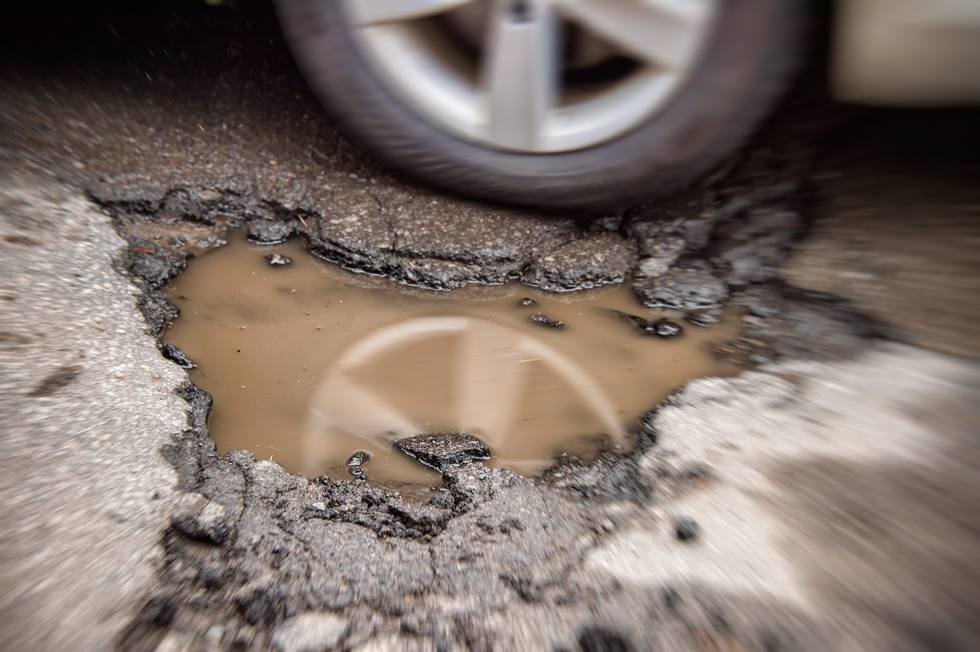
Why Los Angeles Has So Many Potholes — and the Accidents They Cause
Anyone who drives, rides, or walks in Los Angeles knows the feeling. You’re moving along a familiar street when your tire drops into a crater you never saw coming. Sometimes it’s just a jarring thud. Other times, it’s the start of a serious accident.
Potholes aren’t just an annoyance in LA. They damage vehicles, throw motorcyclists and cyclists to the pavement, trip pedestrians, and cause drivers to swerve into danger. And when a poorly maintained road causes your injury, the city or another party may bear legal responsibility.
This blog explains, in plain English, why LA has so many potholes, the different kinds of accidents and injuries they cause, who may be liable, and what to do if a road defect hurt you. You’ll also learn why the deadlines here are short — and why acting fast matters.
Why Los Angeles Roads Develop So Many Potholes
LA has thousands of miles of streets, and keeping them all in good shape is a constant battle the city often loses. Potholes don’t appear by accident — they’re the predictable result of several forces working together.
Aging Infrastructure
Much of the LA road network is decades old. Asphalt has a limited lifespan, and pavement that’s well past its prime cracks, crumbles, and breaks apart far more easily than newer surfaces.
Heavy Traffic Volume
LA traffic is relentless. The constant weight of millions of vehicles — including heavy trucks and buses — slowly grinds down road surfaces. The more pressure a road absorbs, the faster it fails.
Water Damage
Water is pavement’s worst enemy. When rain or runoff seeps into cracks, it weakens the layers beneath the surface. Traffic then pounds that softened spot until it collapses into a pothole.
Weather Cycles
Even without harsh winters, LA roads expand and contract with temperature swings. That repeated movement widens existing cracks and breaks down the asphalt over time.
Utility Cuts
Crews regularly dig into streets to access water, gas, electrical, and communication lines. When those cuts aren’t patched and compacted correctly, they leave weak spots that quickly deteriorate into hazards.
Deferred Maintenance and Budget Constraints
Here’s the part that frustrates residents most. Repairs cost money, and road maintenance often competes with other priorities for limited funds. When fixes get delayed, small cracks grow into dangerous potholes — and the backlog keeps growing.
The takeaway: LA’s potholes aren’t random bad luck. They’re the result of old roads, heavy use, water, weather, and maintenance that can’t keep pace.
The Different Accidents Potholes Cause
A pothole affects everyone on the road differently. What’s a minor jolt in a large vehicle can be catastrophic for a motorcyclist or pedestrian. Here are the most common ways potholes lead to injuries.
Car Accidents
Drivers often react to potholes in an instant — swerving to avoid one or losing control after hitting it. That sudden movement can cause a collision with another vehicle, a fixed object, or oncoming traffic. A blown tire or damaged suspension from a deep pothole can also send a car careening out of control.
Motorcycle Crashes
Motorcycles are especially vulnerable. With only two wheels and no protective frame, a rider who hits a pothole can be thrown from the bike entirely. Even a hazard a car would barely notice can cause a motorcyclist to lose balance and crash, often resulting in severe injuries.
Bicycle Accidents
Cyclists face the same danger. A pothole can stop a bike’s front wheel cold, launching the rider over the handlebars. Because cyclists ride near the edge of the road — where pavement is often worst — they encounter these hazards constantly.
E-Scooter Falls
E-scooters have small wheels and ride low to the ground, which makes them extremely sensitive to road defects. A pothole that a car rolls over without trouble can stop a scooter instantly and throw the rider onto the pavement with no protection at all.
Pedestrian Trips and Falls
Potholes and broken pavement aren’t only a driving hazard. People walking across streets or stepping off curbs can catch a foot in a defect and fall hard, leading to broken bones, sprains, and head injuries.
Vehicle Damage Leading to Loss of Control
Even when no one is hurt at the moment of impact, the damage a pothole causes can create danger later. A bent rim, a punctured tire, or a damaged steering component can cause a loss of control miles down the road.
The takeaway: The same pothole can mean a flat tire for one person and a life-changing injury for another. The less protection you have, the higher the stakes.
Common Injuries From Pothole Accidents
The harm from these crashes ranges from minor to severe, depending on how the accident happened. Common injuries include:
- Broken bones and fractures
- Head injuries and concussions
- Spinal cord and back injuries
- Road rash and deep lacerations
- Shoulder, wrist, and joint injuries from falls
- Soft-tissue injuries like whiplash
Some of these injuries — especially concussions and back problems — don’t show symptoms right away. That’s one reason prompt medical care matters so much.
Who May Be Liable for a Pothole Accident
Liability depends on where the pothole was and who was responsible for maintaining that stretch of road. Several parties may share the blame.
- The City of Los Angeles or another public entity. If the defect was on a public street, sidewalk, or roadway, the government agency responsible for maintaining it may be liable for allowing a known hazard to remain.
- The State of California or the County. Some roads fall under state or county jurisdiction rather than the city, which changes who’s responsible.
- A utility or construction company. If a poorly patched utility cut or a careless roadwork crew created the hazard, that company may bear responsibility.
- A private property owner. If you were hurt by broken pavement on private property — like a parking lot — the owner may be liable for failing to maintain a safe surface.
Figuring out who controlled and maintained the area where you were hurt is one of the first and most important steps in any pothole claim.
Why Claims Against the City Follow Stricter Rules
This is where many injured people unknowingly hurt their own cases. A claim against a public entity does not work like a claim against a private person or business.
The Government Claim Requirement
Before you can sue a public entity in California, you generally must first file a formal government claim under the California Government Claims Act. Skipping this step can permanently bar you from filing a lawsuit at all.
A Much Shorter Deadline
For most injury claims against a public entity, you typically have just six months from the date of injury to file your government claim. That’s far shorter than the deadline that usually applies to claims against private parties.
Proving the Entity Knew
In pothole cases, you often have to show the public entity knew or should have known about the hazard and failed to fix it within a reasonable time. That can mean digging into prior complaints, repair records, and how long the defect existed.
The takeaway: Because these rules are strict and the clock runs fast, getting legal guidance early can make or break your claim.
What to Do After a Pothole Accident
The steps you take in the first hours and days can shape the strength of your claim.
- Get medical care immediately. Your health comes first, and your records form the foundation of any claim. Don’t brush off symptoms that may appear later.
- Photograph the pothole. Before it gets repaired, capture the defect, its depth, the surrounding area, and your injuries. Include something for scale if you can.
- Note the exact location. Record the street, nearby addresses, and landmarks so the hazard can be identified later.
- Document the damage. Photograph your vehicle, bike, or scooter and keep repair estimates and receipts.
- Gather witness information. Anyone who saw the crash or knew about the hazard can support your claim.
- Report the hazard. Filing a report through the City’s 311 system creates an official record of the defect and the date.
- Be careful what you say. Avoid admitting fault at the scene or to an insurer. Fault depends on all the facts.
- Contact the best pot hole accident attorney promptly. The short deadlines and disappearing evidence make early legal help essential.
Why Choose Walch Law
A serious pothole accident can leave you with painful injuries, mounting bills, and a confusing legal process you never expected. The rules for suing the city are strict, the deadlines are short, and the evidence — the pothole itself — can disappear within days of a repair crew showing up.
At Walch Law, we handle dangerous roadway and public property claims throughout Los Angeles and across California. We investigate how and where your accident happened, identify every party who may be responsible, preserve time-sensitive evidence, and handle the government claim requirements so nothing falls through the cracks.
We work on a contingency fee basis. You pay nothing out of pocket, and we only collect a fee if we recover compensation for you. There’s no financial risk in finding out where you stand.
Get Your Free Consultation Today
If a pothole or broken road caused your accident in Los Angeles, you deserve clear answers about your rights and your options. With a six-month deadline that can apply, the sooner you reach out, the more we can do to protect your claim.
Contact Walch Law today for a completely free, confidential consultation. Tell us what happened, and we’ll give you an honest assessment of your case and the next steps that make sense for you.
Call today or reach out online to get started. 1-844-999-5342


Comments
There are no comments for this post. Be the first and Add your Comment below.