
Venice Beach Pavilion Crash: What Injured Passengers and Parents Need to Know
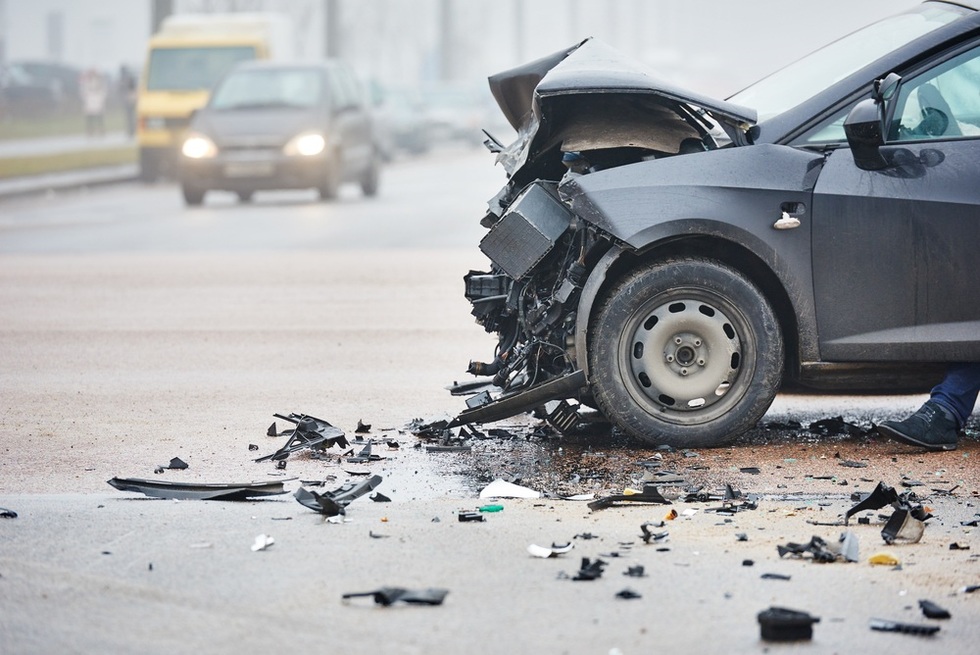
In the early morning hours of May 30, 2026, four teenagers were seriously injured when a single vehicle slammed into the Venice Beach Pavilion at high speed. Police responded around 4 a.m. and found the car had struck the structure with enough force to damage the pavilion and surrounding landscaping. All four occupants, including the driver, suffered serious injuries and were taken for medical treatment.
A crash like this leaves families reeling. Beyond the fear and the hospital visits, parents and injured passengers are often left wondering what comes next — who’s responsible, how medical bills get paid, and what rights an injured teenager actually has.
This post uses that incident as a starting point to explain how California personal injury law applies to crashes involving young passengers. You’ll learn who may be held liable, how “serious injury” claims work, what rights parents and guardians have when a minor is hurt, and why acting quickly matters so much. Throughout, we’re speaking in general terms about legal possibilities — not making claims about the specific people involved.
Who May Be Liable After a Crash Like This
Liability depends entirely on the facts, and a serious crash can involve more than one responsible party. Investigators and attorneys look closely at who caused the harm and who may share legal responsibility for it.
The Driver
In a single-vehicle crash, the driver is often the first focus. Every motorist has a legal duty to drive safely — to control their speed, stay alert, and avoid putting passengers at risk. When a driver breaches that duty and people get hurt, they can be held liable for the harm they cause, even if those hurt were their own passengers.
The Vehicle’s Owner
If the driver doesn’t own the car, the owner may also factor in. California law can hold a vehicle owner responsible in certain situations — for example, when they let someone use their car. The available insurance often follows the vehicle, which is one reason identifying the owner early matters.
Negligent Entrustment
This is a possibility worth understanding. Negligent entrustment can arise when someone hands their vehicle to a person they knew, or should have known, was unfit to drive safely — for instance, an inexperienced, unlicensed, or impaired driver. If that’s the case, the person who provided the car may share responsibility for the resulting harm.
Dram Shop and Social Host Angles
When alcohol is involved in a crash with young people, families sometimes ask whether whoever supplied the alcohol can be held responsible. California’s rules here are narrow. In general, the law doesn’t hold most alcohol providers liable simply for serving a drink. But there are specific exceptions — notably involving the furnishing of alcohol to a minor — that can create liability under the right facts. Because these rules are fact-specific and limited, this angle always requires careful legal review.
Bottom line: Don’t assume the driver is the only party who matters. A thorough investigation often reveals more than one source of responsibility — and more than one source of insurance to cover the injuries.
When the Injured Are Passengers
Passengers occupy a strong legal position after a Venice car crash, and that’s important for the teens hurt in an incident like this one.
A passenger generally did nothing to cause the collision. They weren’t behind the wheel, weren’t controlling the speed, and weren’t making the decisions that led to the crash. That means injured passengers usually have a clear path to seek compensation from whoever was at fault — even when the at-fault party is the driver of the car they were riding in.
How California Law Applies to Passenger Claims
Most passenger injury claims rest on negligence — the legal term for failing to act with reasonable care. To hold someone responsible, your claim generally needs to show four things:
- Duty. The driver or another party owed you a duty of care.
- Breach. They failed to meet that duty — by speeding, driving recklessly, or ignoring a hazard.
- Causation. That failure caused the crash and your injuries.
- Damages. You suffered real harm, like medical bills, lost income, and pain.
What You May Recover
Passengers can typically seek compensation for medical expenses, future care, lost wages, pain and suffering, and the long-term impact of serious injuries. High-speed crashes like the one at Venice Beach often cause lasting harm — broken bones, head trauma, and spinal injuries — that can affect a young person for years.
A Note on Multiple Passengers
When several people are hurt in one crash, they may all have claims against the same insurance coverage. That coverage can have limits, which is one more reason acting early matters. The sooner your claim is documented and pursued, the better your position.
When the Injured Passengers Are Teens or Minors
The Venice Beach crash involved teenagers, and that raises an important point for families. In California, a minor generally can’t file a lawsuit on their own. Instead, a parent or legal guardian can pursue a claim on the child’s behalf, often as what’s called a “guardian ad litem.”
A few things parents should know:
- You can act now. You don’t have to wait for your child to turn 18 to protect their rights.
- Settlements for minors get extra oversight. California courts often must approve a settlement involving a minor to make sure it’s fair and properly protected for the child’s future.
- Deadlines still matter. While minors sometimes have extended time to file, certain claims — especially those against a government entity — carry short deadlines that can apply regardless of age. Waiting can be costly.
The takeaway: If your teen was hurt as a passenger, you can step in immediately to protect their rights and their recovery.
What Injured Passengers and Families Should Do
The steps you take in the first hours and days can shape both recovery and any claim.
- Get medical care right away. Health comes first, and medical records form the foundation of any claim. Some injuries — like concussions and internal trauma — don’t show symptoms immediately.
- Keep all records. Save hospital paperwork, bills, and follow-up treatment notes in one place.
- Document what you can. Photos of injuries, the vehicle, and the scene all help. Note the time, location, and conditions.
- Gather information. Get details about the driver, the vehicle owner, and any witnesses.
- Be careful what you say. Avoid giving recorded statements or signing anything from an insurer before speaking with an attorney.
- Don’t assume you have no case. Passengers often have rights even when the driver is a friend or family member.
- Talk to an attorney early. Quick action helps preserve evidence and protects your claim before deadlines close in.
Do this today: If a crash already happened, write down everything you remember while it’s fresh — who was driving, the speed, the road, and what led up to it.
An Honest Word on Expectations
We want to be straightforward with you. Every case turns on its own facts — how the crash happened, the injuries involved, the insurance available, and the deadlines that apply. We never promise a specific outcome, and no honest attorney can.
What we can offer is a careful, compassionate review of your situation and a clear explanation of where you stand. For families dealing with a child’s serious injuries, that early clarity can make a real difference.
Why Choose Walch Law
A serious crash leaves families facing medical bills, painful recoveries, and confusing insurance questions all at once — especially when the people hurt are young. You shouldn’t have to navigate that alone.
At Walch Law, we handle car accident and passenger injury claims throughout California, including the difficult cases where a single vehicle crashes and several people are hurt. We investigate how the crash happened, identify every party who may be responsible — driver, vehicle owner, government entity, or others — preserve time-sensitive evidence, and fight to recover the full compensation our clients deserve.
We work on a contingency fee basis. You pay nothing out of pocket, and we only collect a fee if we recover compensation for you. There’s no financial risk in finding out where you stand.
Get Your Free Consultation Today
If you or your child was injured as a passenger in a single-vehicle crash, you may have more rights than you think. The sooner you reach out, the more we can do to protect the claim and the evidence behind it.
Contact Walch Law today for a completely free, confidential consultation. Tell us what happened, and we’ll give you an honest assessment of your case and the next steps that make sense for your family.
Call today or reach out online to get started. 1-844-999-5342


Comments
There are no comments for this post. Be the first and Add your Comment below.