
Flooded Road Car Accidents in Los Angeles: Who’s Liable?
A heavy storm can turn a familiar Los Angeles commute into a hazard in minutes. Underpasses fill with water, canyon roads collect mud and debris, and storm drains overflow onto busy streets. When a crash happens in these conditions, many victims assume the weather is to blame and that no one can be held responsible.
That assumption is often wrong. Flooded roads don’t excuse careless driving, and they don’t always excuse government agencies that fail to maintain drainage or close dangerous roads. This guide explains how liability works in flooded road car accidents in California, the strict deadlines that can affect your claim, and what to do if you’ve been hurt.
What you’ll learn:
- Why flooded roads are so dangerous for drivers
- How California law expects drivers to adjust in bad weather
- When a city, county, or state agency may share responsibility
- The critical 6-month deadline for government claims
Call Walch Law now to get started for free 1-844-999-5342
Why Flooded Roads Are So Dangerous
Water on the road is more dangerous than most drivers realize. Just six inches of moving water can reach the bottom of many passenger cars and cause a loss of control. About a foot of water can float many vehicles, and two feet of rushing water can sweep away most cars, including SUVs and pickups.
Even shallow standing water creates serious risks:
- Hydroplaning: Tires lose contact with the pavement and ride on a thin layer of water, making steering and braking unreliable.
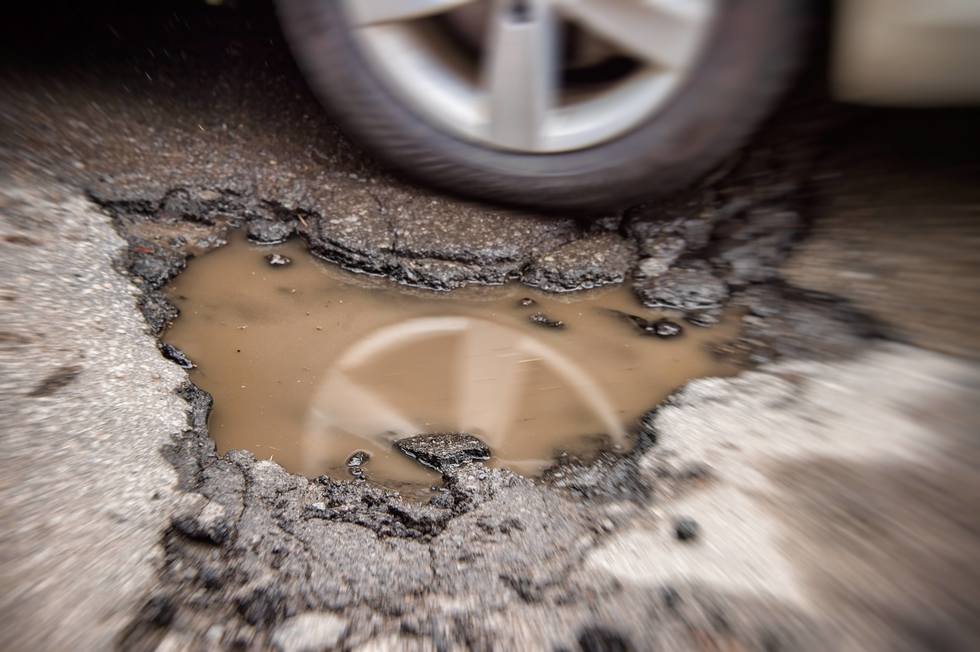
- Hidden hazards: Murky water can hide potholes, washed-out pavement, fallen debris, or open storm drains.
- Reduced visibility: Heavy rain, spray from other vehicles, and fogged windows make it harder to see brake lights and pedestrians.
- Brake failure: Wet brakes lose stopping power, especially after driving through deep water.
- Stalled vehicles: Cars that stall in water become sudden obstacles for other drivers.
In Los Angeles, these risks often concentrate in predictable places. Freeway underpasses, low-lying intersections, areas near the Los Angeles River and its tributaries, and canyon routes like Topanga Canyon Boulevard are frequent trouble spots. Areas below wildfire burn scars face added danger from mudflows and debris during heavy rain.
California Law Requires Drivers to Adjust to the Weather
Bad weather doesn’t lower the standard of care drivers owe one another. It raises the stakes. California’s Basic Speed Law says no one may drive faster than is reasonable given the weather, visibility, traffic, and road conditions. That means a driver can be negligent even while traveling under the posted speed limit.
During a storm, a reasonable driver should:
- Slow down well below the posted limit when roads are wet or flooded
- Increase following distance to allow more time to stop
- Turn on headlights (California requires them whenever windshield wipers are in continuous use)
- Avoid driving through standing or moving water of unknown depth
- Obey road closure signs and barricades
- Stay off the road entirely when conditions are extreme, if possible
Here’s why this matters for your case. If another driver rear-ends you in the rain, they can’t simply blame the storm. The law expected them to anticipate slick roads and drive accordingly.
How Liability Is Determined in Flooded Road Crashes
Flood-related accidents often involve more than one responsible party. Identifying every source of fault is key to recovering full compensation.
Driver Negligence
Most claims start with the conduct of the other driver. Common examples of negligence in storm conditions include:
- Speeding for the conditions and hydroplaning into another car
- Tailgating on wet pavement
- Driving around a barricade into a flooded road and stalling in traffic
- Driving with bald tires or broken wipers
- Distracted driving, such as texting while visibility is poor
California follows a “pure comparative negligence” rule. If you share some fault, such as driving slightly too fast, your compensation is reduced by your percentage of fault, but you can still recover. Insurance companies often try to inflate a victim’s share of blame in weather-related crashes, so strong evidence matters.
Government and Municipality Liability
Sometimes the road itself is part of the problem. Under California law, a public entity such as a city, county, or Caltrans may be liable for a “dangerous condition of public property.” To succeed, you generally must show:
- The property was in a dangerous condition at the time of the accident.
- The dangerous condition caused your injury.
- The condition created a reasonably foreseeable risk of the type of harm you suffered.
- The agency either created the condition or knew (or should have known) about it in time to fix it or warn drivers.
In flooding cases, this may apply when:
- Storm drains are clogged or poorly maintained, causing predictable flooding in the same spot every storm
- An agency fails to close a road it knew regularly floods
- Warning signs are missing at known flood zones
- Road design or grading channels water onto the roadway
- Repairs are delayed on damaged pavement or drainage systems
These cases are challenging. California gives public agencies certain legal protections, including immunity for some weather-related road conditions and for approved roadway designs. However, those protections have limits. An agency that ignores repeated complaints about a flooding intersection may still be held accountable.
A quick example: Imagine a driver is injured after her car stalls in a low-lying intersection that floods every winter. Residents have reported the clogged drain for years, and no warning signs were ever posted. Records of those complaints could help show the city knew about the danger and failed to act.
Other Potentially Liable Parties
Depending on the facts, other parties may share responsibility:
- Commercial vehicle companies whose trucks or delivery vans were driven unsafely
- Private property owners whose land drains water onto public roads
- Vehicle or tire manufacturers if a defect contributed to the crash
The 6-Month Deadline for Government Claims
This is one of the most important points in any flood-related accident case. If a government entity may share fault, you usually must file a formal written claim with that agency within six months of the accident. This is required under the California Government Claims Act before you can file a lawsuit.
Missing this deadline can permanently bar your claim against the agency, even if your case is strong. Here’s how the timeline generally works:
- Within 6 months: File a government claim with the correct agency.
- Agency review: The agency typically has 45 days to accept or reject the claim.
- If rejected: You generally have six months from the date of written rejection notice to file a lawsuit.
In limited situations, you may apply for permission to file a late claim, but approval is not guaranteed. By comparison, claims against private drivers usually carry a two-year statute of limitations for personal injury in California. That longer window can create a false sense of security, so act quickly.
Identifying the correct agency can also be tricky. A single stretch of road in Los Angeles might involve the City of Los Angeles, Los Angeles County, Caltrans, or a flood control district. Filing with the wrong entity can cost you valuable time.
What to Do After a Flood-Related Crash
The steps you take after an accident can protect both your safety and your legal rights.
- Get to safety. If your car is in rising water, leave it and move to higher ground if you can do so safely. Call 911.
- Seek medical care. Some injuries, like whiplash or concussions, may not show symptoms right away. Medical records also document your injuries.
- Report the accident. A police or CHP report creates an official record of the crash and road conditions.
- Document the scene. Take photos and videos of the water level, clogged drains, missing signs, road damage, and all vehicles involved. Flood conditions change quickly, so capture them right away.
- Collect witness information. Neighbors and nearby business owners may know if the spot floods regularly.
- Keep records. Save repair estimates, towing bills, medical bills, and proof of lost wages.
- Be careful with insurers. Avoid giving recorded statements or accepting a quick settlement before speaking with an attorney.
- Contact the best Los Angeles storm accident lawyer quickly. With a 6-month government claim deadline, early legal help can make the difference.
Not sure where to start? If another driver clearly hit you, focus first on steps 2 through 6. If you suspect a drainage failure or missing warning signs played a role, prioritize speaking with an attorney so the government claim deadline doesn’t slip away.
Protecting Your Rights After a Storm-Related Accident
Flooded roads create real dangers, but they don’t erase responsibility. California law expects drivers to slow down and drive carefully in bad weather, and public agencies have a duty to address known dangerous road conditions. When either fails, injured victims may be entitled to compensation for medical bills, lost income, vehicle damage, and pain and suffering.
Has a flooded street or underpass in your neighborhood caused problems during past storms? That history could matter if an accident happens there.
If you or a loved one was hurt in a car accident on a flooded road in Los Angeles or anywhere in California, don’t wait until important deadlines pass. Contact Walch Law today for a free consultation. Our team will review your case, identify every responsible party, and help you pursue the compensation you deserve. 1-844-999-5342


Comments
There are no comments for this post. Be the first and Add your Comment below.